OAS EXPLAINS: HYPERVISORS AND WHY CHOOSE XENSERVER?
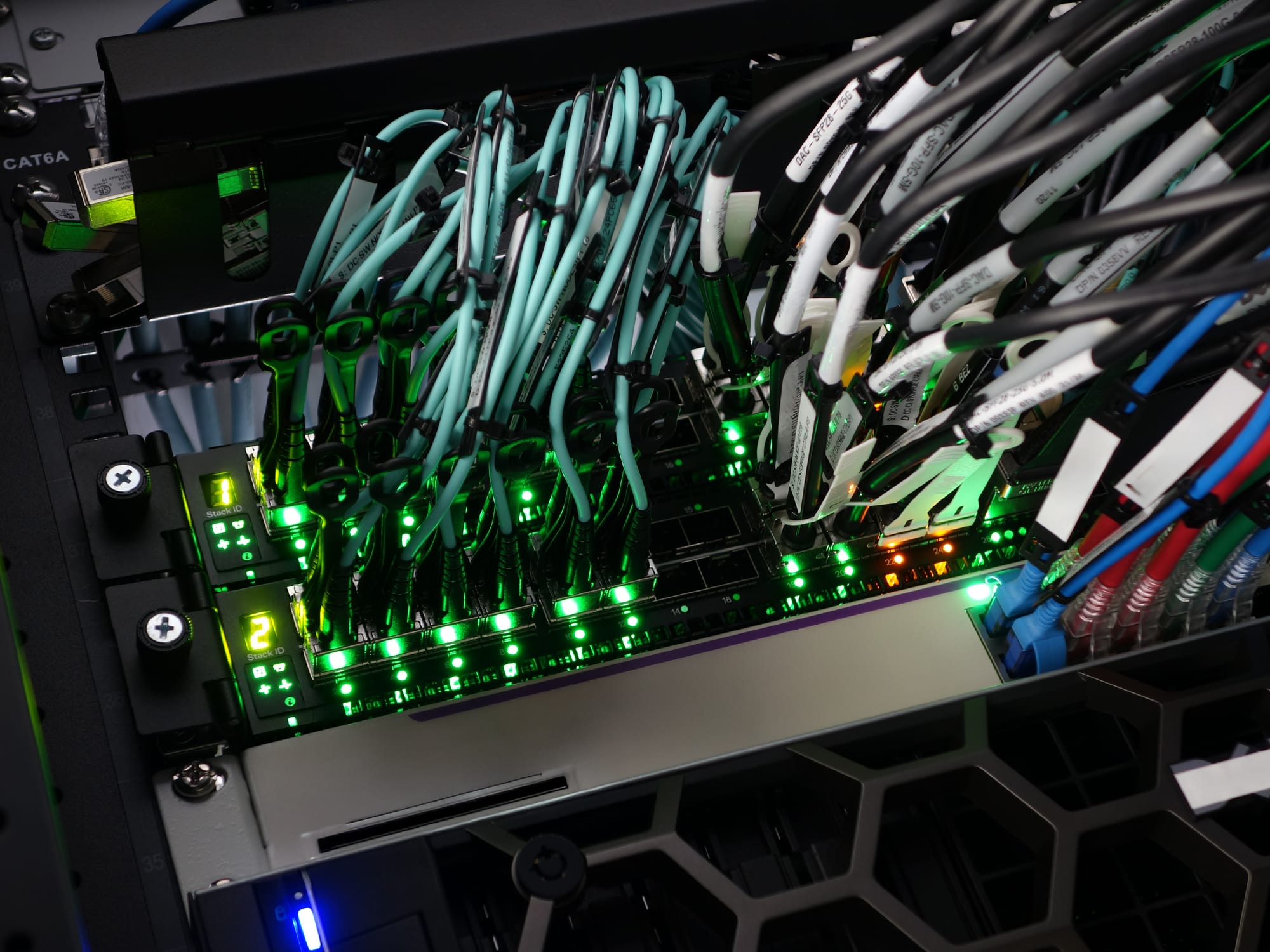
Understanding Hypervisors:
A Focus on Citrix XenServer In the domain of virtualization, hypervisors play a critical role in managing multiple virtual machines (VMs) on a single physical hardware unit. Citrix XenServer stands out as a prominent contender in the hypervisor market, renowned for its robust features and capabilities. When evaluating the virtualization options, XenServer may prove to be an appealing choice.
This article will delve into the realm of hypervisors, highlight the advantages of XenServer, and present compelling reasons why this platform could be ideally suited to meet the organization's needs.
1. What Are Hypervisors?
Before delving into XenServer specifically, it’s important to understand the concept of hypervisors. A hypervisor is software that allows for the creaation and management of multiple virtual machines on a single physical host. By abstracting hardware resources, hypervisors give the ability to run multiple operating systems simultaneously. This technology is the backbone of modern data centers and cloud computing solutions.
- Type 1 Hypervisors: These "bare-metal" hypervisors run directly on the hardware. Examples include XenServer, VMware ESXi, and Microsoft Hyper-V.
- Type 2 Hypervisors: These run on top of an existing operating system. Examples include VirtualBox and VMware Workstation.
Among these, Type 1 hypervisors are more powerful and efficient, making them the preferred choice for enterprise environments.
2. What Is XenServer?
Understanding XenServer
XenServer is an open-source Type 1 hypervisor created by Citrix. Built on the Xen Project hypervisor, it delivers enterprise-level virtualization capabilities such as:
- VM management
- Live migration
- High availability
- Advanced networking functionalities
While Citrix markets XenServer as a free-to-use solution, they also provide premium editions that offer extra features for businesses seeking improved functionality and support. Citrix has recently announced the releasee of XenSever 8.4 which is considered a quantum leap in Hypervisor technology (read more)
Note: XenServer 8.4 is now included as an entitlement with the Citrix for Private Cloud, Citrix Universal™ Hybrid Multi-Cloud, and Citrix Platform License subscriptions.
Why choose XenServer out of all the available hypervisors?
Below is a list of XenServer advantages.
3. Open-Source and Cost-Effective
One of the most attractive features of XenServer is its open-source nature. While other enterprise-grade hypervisors often come with high costs, XenServer provides a free basic edition. The open-source model ensures transparency, greater control, and the ability to customize as needed. For organizations that prioritize cost savings without compromising on quality, XenServer is a highly economical choice.
Additionally, the premium editions of XenServer are competitively priced compared to similar offerings, providing businesses with scalability as their needs grow.
4. Easy-to-Use Management Console
XenServer comes with an intuitive management console, XenCenter, which simplifies the control and management of virtual environments. Users without advanced technical expertise can efficiently perform tasks like creating and managing VMs, allocating resources, and monitoring system performance.
The user-friendly interface of XenCenter reduces the complexity of administering a virtual environment, making it an appealing choice not only for IT professionals but also for organizations with limited resources or technical training.
5. High Performance and Scalability
XenServer is designed for high performance, making it ideal for handling resource-intensive workloads. Its ability to dynamically allocate resources like CPU, memory, and storage ensures that your VMs run smoothly even in demanding environments. With support for up to 5TB of memory and 288 cores per host, XenServer can manage large-scale deployments without performance degradation.
This scalability means that XenServer can grow alongside your business, handling workloads of all sizes as your needs evolve over time.
6. Live Migration
No one wants downtime, especially in production environments. XenServer supports live migration, a process that allows VMs to move between hosts without disrupting services. With this feature, you can perform maintenance or optimize resource utilization without causing interruptions to users.
Live migration also plays a vital role in load balancing. By shifting VMs across servers as needed, XenServer ensures optimal resource utilization and prevents bottlenecks.
7. Enhanced Security
Security is a key concern for organizations deploying virtualization technologies, and XenServer delivers on this front. Thanks to its open-source Xen Project base, XenServer incorporates rigorous security measures, including isolation between VMs and secure memory management.
Furthermore, Citrix prioritizes security through regular updates and patches. Businesses using XenServer gain peace of mind knowing that their virtual environments are protected against emerging threats.
8. Comprehensive Support for Linux and Windows
XenServer offers extensive support for both Linux and Windows operating systems, making it a versatile option for mixed environments. Regardless of whether your workloads depend on one OS or a combination, XenServer ensures compatibility and smooth integration.
Support for popular Linux distributions and multiple versions of Windows Server means that businesses can easily migrate legacy workloads to their XenServer environment without compatibility issues.
9. Cloud-Ready Infrastructure
If the organization is planning a transition to the cloud, XenServer can act as a steppingstone toward this goal. Its compatibility with various cloud orchestration platforms, like OpenStack, allows businesses to integrate virtualization and cloud solutions seamlessly.
This cloud-ready infrastructure ensures that can future-proof the organization's investments while leveraging the advantages of enterprise virtualization.
10. Robust Community and Documentation
As an open-source platform, XenServer benefits from a robust community of developers and users. This thriving ecosystem ensures that companies have access to a wealth of resources, including forums, tutorials, and technical guides.
Whether troubleshooting an issue or exploring new features, the XenServer community and its comprehensive documentation make it easy to find the help you need. The active community also ensures continuous improvements and innovations, keeping XenServer at the forefront of virtualization technology.
11. Built-In High Availability
Business continuity is critical, and XenServer helps maintain uptime with its built-in high-availability features. If a physical server hosting VMs fails, XenServer can automatically restart those VMs on a different host within the same pool, minimizing downtime.
High availability ensures that applications remain accessible, reducing the risk of service interruptions and enhancing customer satisfaction.
12. Simplified Backups and Storage Integration
XenServer provides tools for easy backup and recovery of virtual machines, enabling businesses to protect their data and comply with disaster recovery requirements. Integration with multiple storage solutions, including local disks, SANs, and NAS devices, ensures flexibility in storage management.
By supporting various storage protocols and allowing efficient utilization of storage resources, XenServer helps businesses streamline their storage strategies.
13. Energy Efficiency
By consolidating multiple VMs on fewer physical servers, XenServer reduces hardware demand and saves energy costs. For businesses aiming to maintain a smaller carbon footprint, XenServer’s energy-efficient approach to virtualization aligns perfectly with green IT initiatives.
14. Seamless Updates with Rolling Pool Upgrades
XenServer simplifies the process of upgrading your infrastructure with its rolling pool upgrade feature. This functionality enables you to update hypervisor versions across your server pool without disrupting running VMs.
Simplified upgrades lead to improved stability, reduced downtime, and a smoother experience for administrators managing large deployments.
15. Third-Party Integrations and Ecosystem
XenServer supports integrations with various third-party tools and solutions, ranging from monitoring and management software to backup utilities and antivirus programs. This flexibility allows businesses to tailor their virtual environment according to unique requirements.
Moreover, Citrix’s offerings often integrate seamlessly with XenServer, creating an ecosystem of complementary products designed for maximum efficiency and productivity.
Conclusion
As virtualization continues to reshape modern IT infrastructures, choosing the right hypervisor is critical. XenServer’s combination of cost-effectiveness, performance, robust features, and user-friendly management tools makes it an excellent choice for organizations of all sizes. Its open-source nature, strong community support, and compatibility with hybrid and cloud environments give it a competitive edge in the virtualization landscape.
From small businesses starting their virtualization journey to enterprises managing large-scale workloads, XenServer offers the features and scalability needed to stay ahead in today’s fast-paced IT environment. If you're looking for a reliable, secure, and high-performance virtualization solution, XenServer deserves careful consideration.